
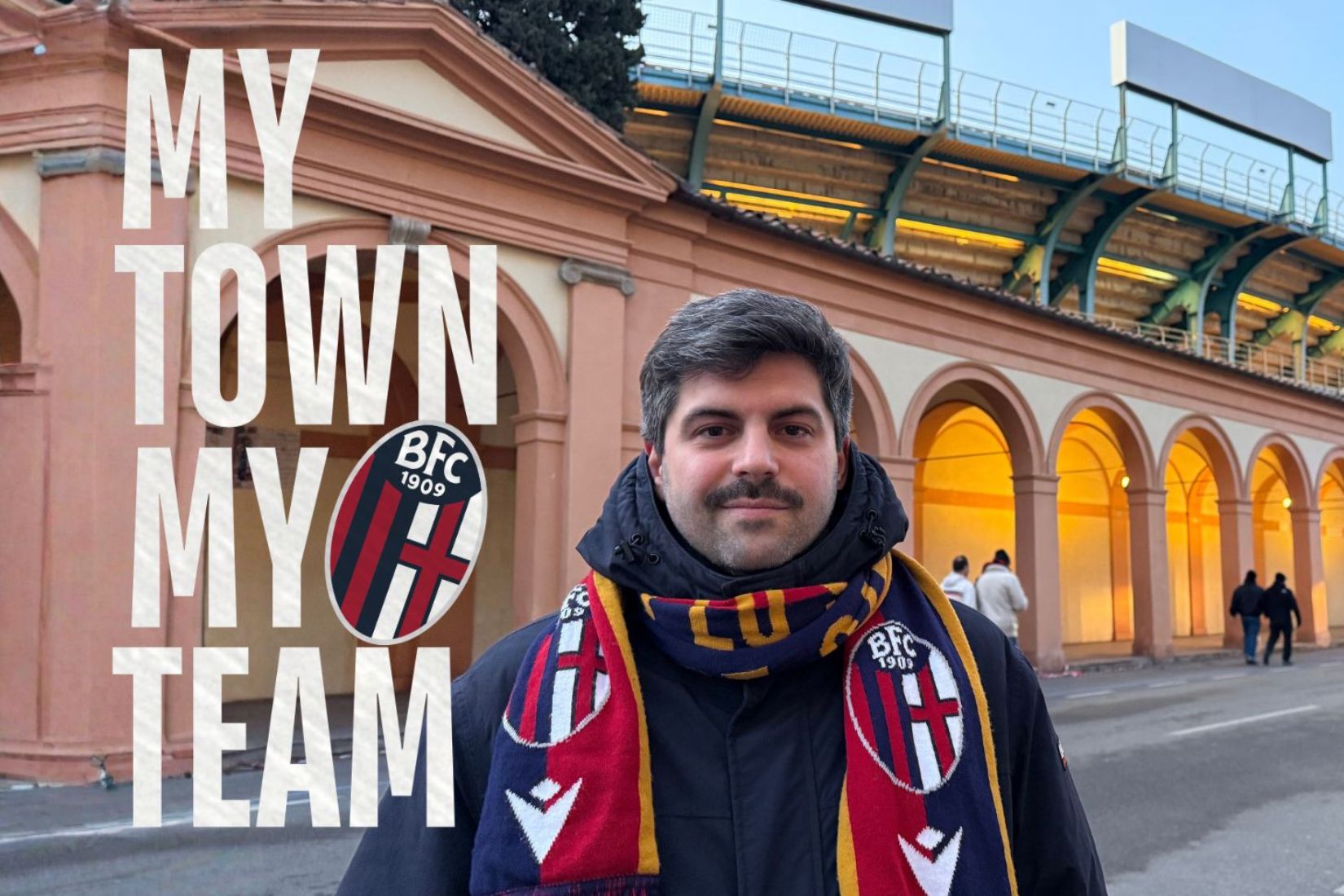
My Town, My Team – Bologna: A Local’s Guide to the City of Food and Football
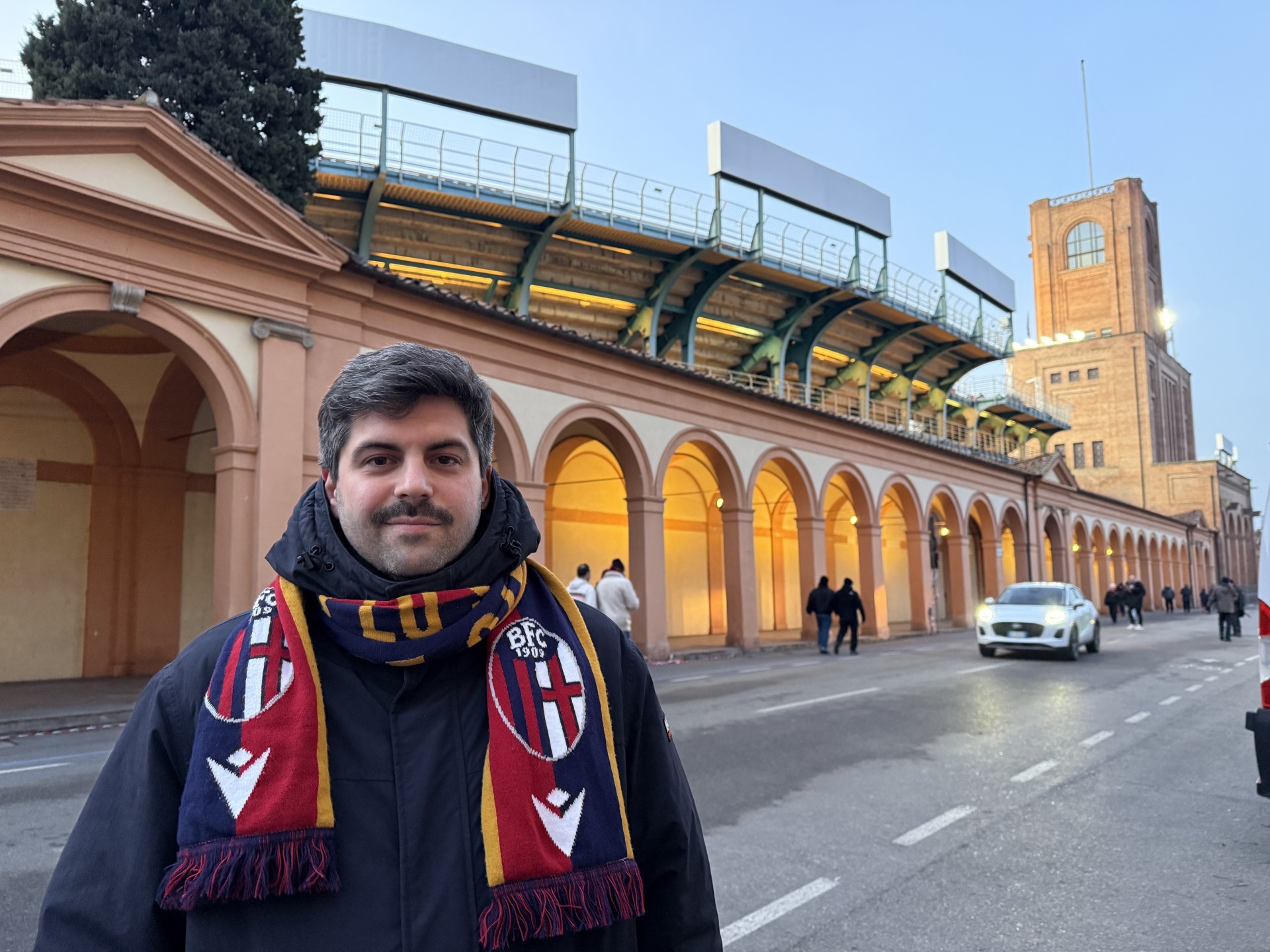
Francesco Gentilini is a 34-year-old university lecturer from Bologna and for the latest edition of our My Town, My Team series, he talked about what makes his home so special – the football, the food and much, much more.
Why Bologna?
Bologna is home. I was born and raised in the city centre. I have a relationship with the city that is similar to the relationship I have with the team. You hate it, or love it. There’s good moments, bad moments, but you can’t get enough of it. Even if things are going bad, even if you’re in a bad mood, even if you hate it for a period of time, it’s your home. We say Bologna is a faith because you have to stick with it whatever happens.
The first games I went to, my dad brought me when I was seven or eight. It was the end of the 1990s and it was a very good Bologna at the time. I didn’t see more than five minutes of play in the first game because I was always looking around the stadium. It was a beautiful atmosphere, a sort of a Fever Pitch type of moment. And then it was later on when I realised that I was in love.
Tell us about the city
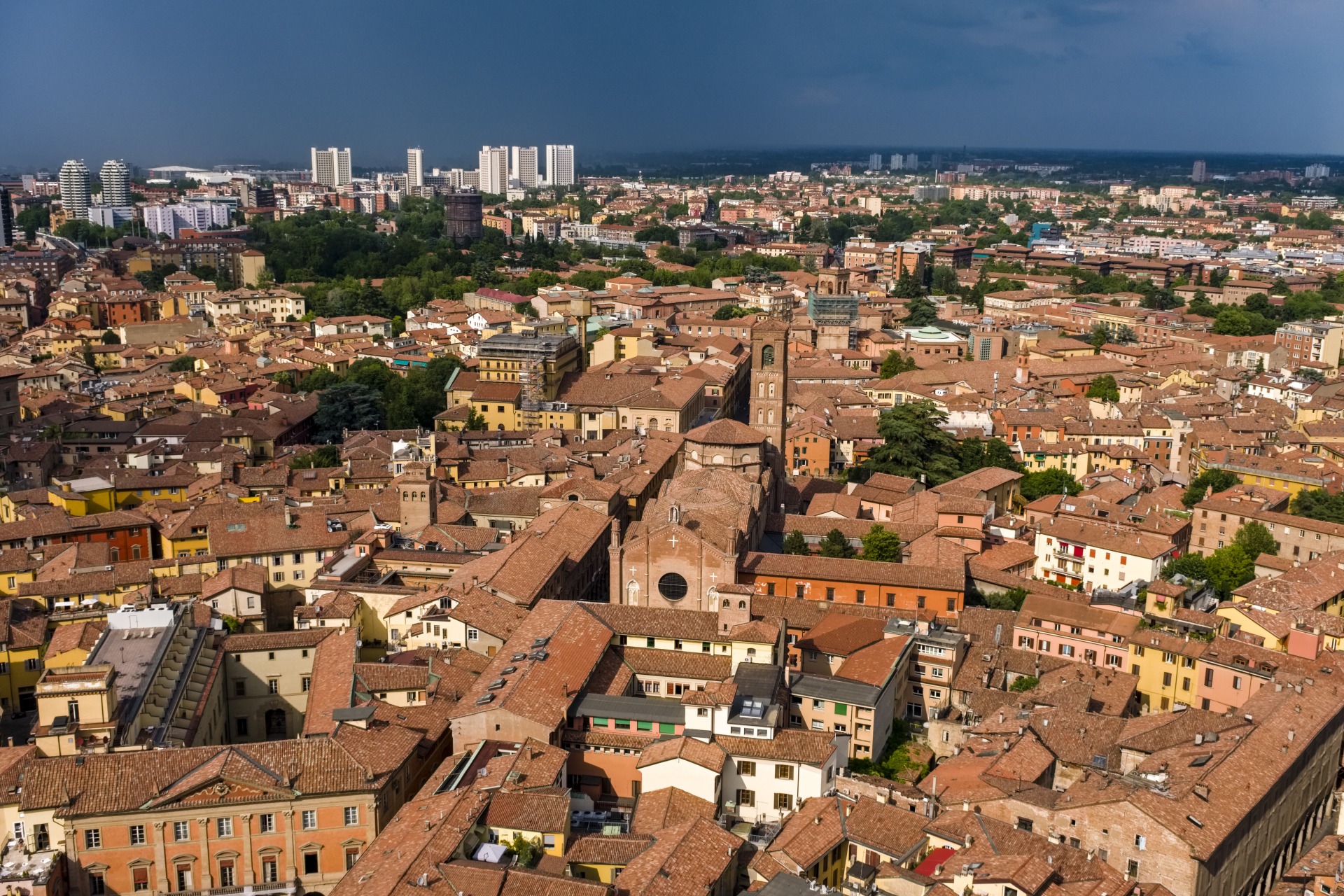
It has always been a very rebellious and vibrant city. If you come to Bologna, you immediately realise that food is central. And the first thing that people see when they arrive is, of course, the porticoes. The porticoes and the towers are the bones and muscles of the city.
The towers come from around the 12th and 13th century. Bologna had a lot of rich families and sometimes they wanted to fight each other. Sometimes the way they did it was peaceful, by building the highest tower possible, kind of signalling to the others, ‘if I can build a tower this much higher than you, I’m this much better than you’.
There’s usually a lot of things going on here. There’s a lot of restaurants and a lot of events taking place. If you come in the summer, there is a beautiful outdoor cinema in the city centre, in the main square, which is amazing and breathtaking if you’ve never been.
Bologna has the oldest university in the world and is still a city linked with education, learning, ideas and culture. It has a vibrant cultural scene, especially music. The Clash played a concert for free in the main square (in 1980). That didn’t happen everywhere.
Bologna has been, and still is, the home of vibrant student movements.
You mentioned the food, is it as good as everyone says?
We say Bologna is la rossa, la grassa, la dotta. The first and the last is the red and the wise. Red because of the colour – the roofs are all red – but also the political aspect, from one side the political culture and identity. Dotta is because of the university. La grassa, the fat one, is because Bologna has always been a place where people like to eat, like to eat a lot. And if you go to the average Italian, like a Bolognese trattoria, you’re not going to be on a diet. We like to use butter, we like to use a lot of pig meat. We like meat. Every place where people love to eat, love to be outside and eat, they don’t eat for survival or for sustenance. They eat for the pleasure. Here it’s pretty much like that.
People from the outside have a misrepresentation sometimes of the food here. Spaghetti bolognese – we would never call that sauce bolognese. We call it ragù or ragù alla bolognese, and we would never put it on spaghetti. We actually invented a type of pasta for that. It’s tagliatelle. So you come here, you don’t ask for spaghetti bolognese, you ask for tagliatelle ragù. And you don’t cut it with a knife. If you’re having trouble with it, maybe you help yourself with a spoon.
One of my favourite dishes in the world, we call it cotoletta petroniana or cotoletta bolognese. It’s a fried cutlet with parmesan and prosciutto on top. If you ever buy a book about traditional recipes from Bologna… I found one and I didn’t know most of them. So there’s a lot to discover in Bologna. It has long-lasting traditions with food like tortellini, lasagna… two of the most famous dishes of the city. They have centuries of history and centuries of being changed and reinterpreted and reshaped. When I was saying that the city is very vibrant, people love to invent stuff, and that’s strictly linked with the food as well.
Where would you recommend?
If it has a line outside, don’t go there, it’s usually not worth it. One of my favourite places is Trattoria Via Serra. It is in Via Serra and easy to find. They don’t just serve traditional food, they experiment a lot with seasonal ingredients. It’s really worth a try. On the opposite side of the city, in the centre, I would suggest Antica Osteria Le Mura – maybe the best lasagna I’ve ever eaten in a restaurant. The last one I would give is Trattoria Da Me. There’s two of them, both in the city centre, and the owner has done an amazing job of of implementing a menu that puts together tradition and experimentation. If you want to have a little bit of both, it’s a wonderful place to go.
What has changed due to the recent success of the team?
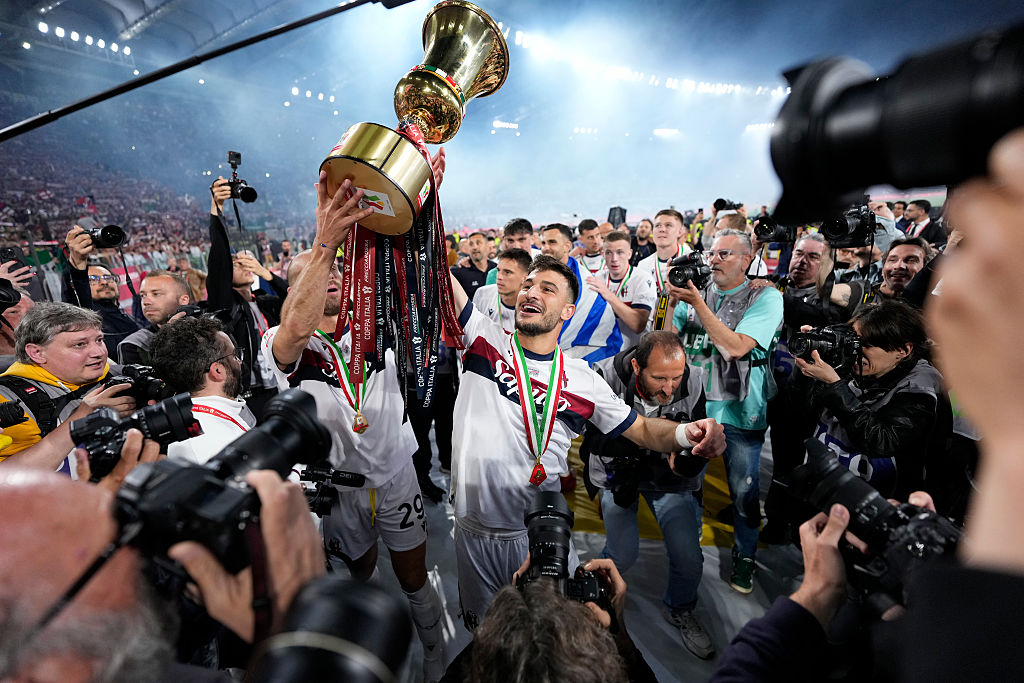
Right now we’re in a good moment and we’re daydreaming every day. If you look at where we are, what we’re doing, what we’re competing for… we recently won a trophy after 51 years (the 2025 Coppa Italia). But we have to keep in mind that it is momentary.
You have to stick with it whatever happens. When you’re in Bologna, you often feel it depends on what type of season it is, but you always feel the presence of the city and of the team around the city. If you walk in the street you see flags of the team. If you walk around, stores have some merch or memorabilia from the team in their windows. Bologna FC has been an integral part of the city – the history and the city life since it was founded.
These last few years, Bologna is becoming more known outside of Italy. Often I go to a match and hear someone speaking English or another language in the stands. I see it as cycles. Bologna has had great ups and terrible downs since the 1980s. This last four years have been daydreaming game after game. But it’s important that when we’re in a good time, you remember the bad ones, and vice versa.
If you want to make me cry and you want to make me emotional, make me think about the recent success of the team. I remember when the president took over and he did an interview. We were in Serie B at the time and it was an interview saying that the goal is to play in Europe in 10 years. And I remember looking at people like, ‘Who the
fuck is this guy? It’s not going to happen ever’. And I remember asking myself, ‘Am I ever going to ever see Bologna win something?’
I had the luck to be there when we won the Coppa Italia, and I don’t remember ever feeling that grateful over sport and over the football side of my life. Some say football is the most serious, non-serious thing in life. I don’t know how much I agree with that, but if we want to put it that way, it was the best non-serious moment of my life.
And the day we qualified for the Champions League, when that happened, it was the first success of the recent history of Bologna. I didn’t realise that. I still don’t think I realise. I look back at that time, I was there when we won at home against Borussia Dortmund. I came out of the stadium and it was like your body doesn’t believe you’re really there.
Related Topics
Related Articles
Related Articles
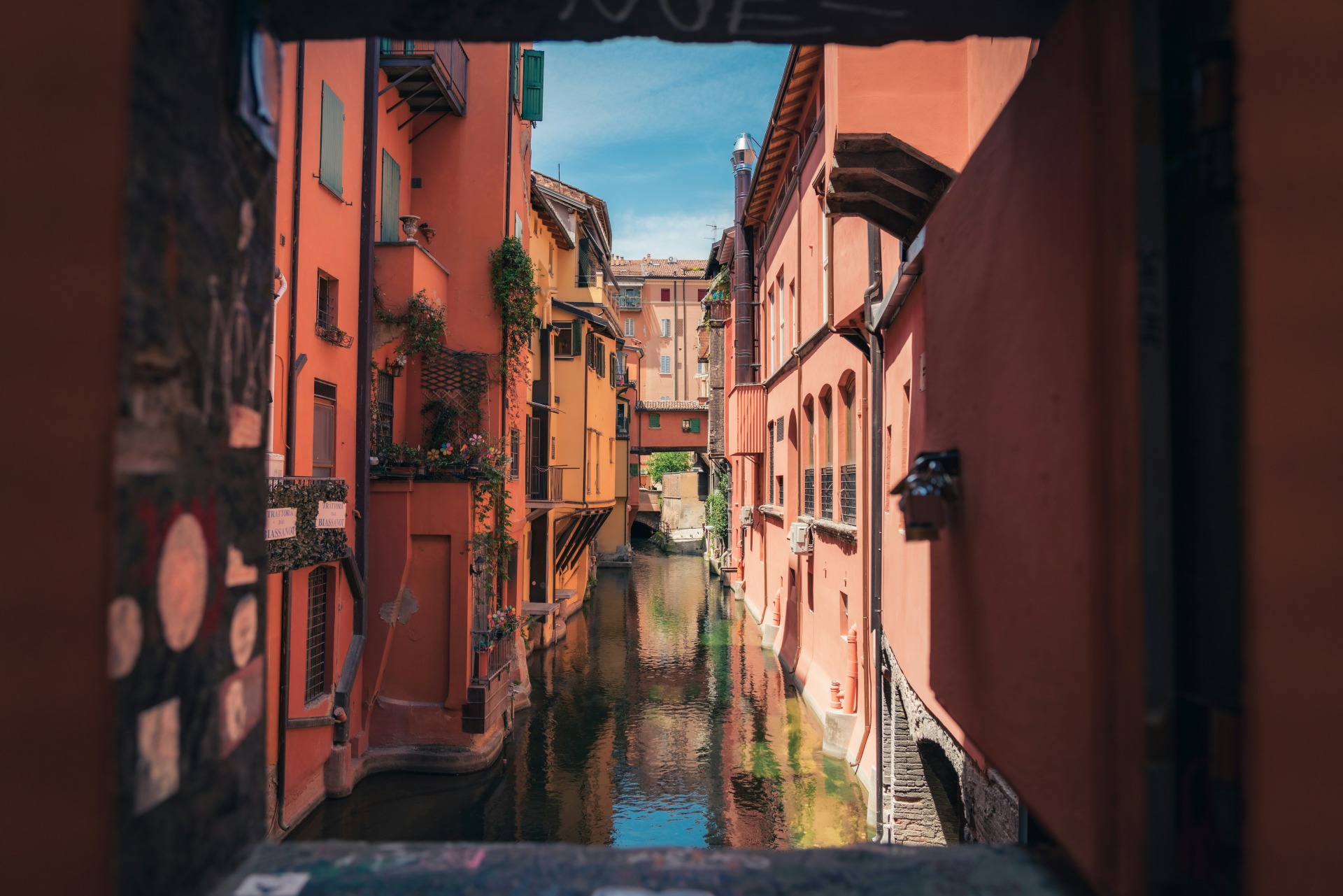
From the world’s longest porticoes to ancient operating theatres, here is how to spend a game day in Italy’s culinary capital.
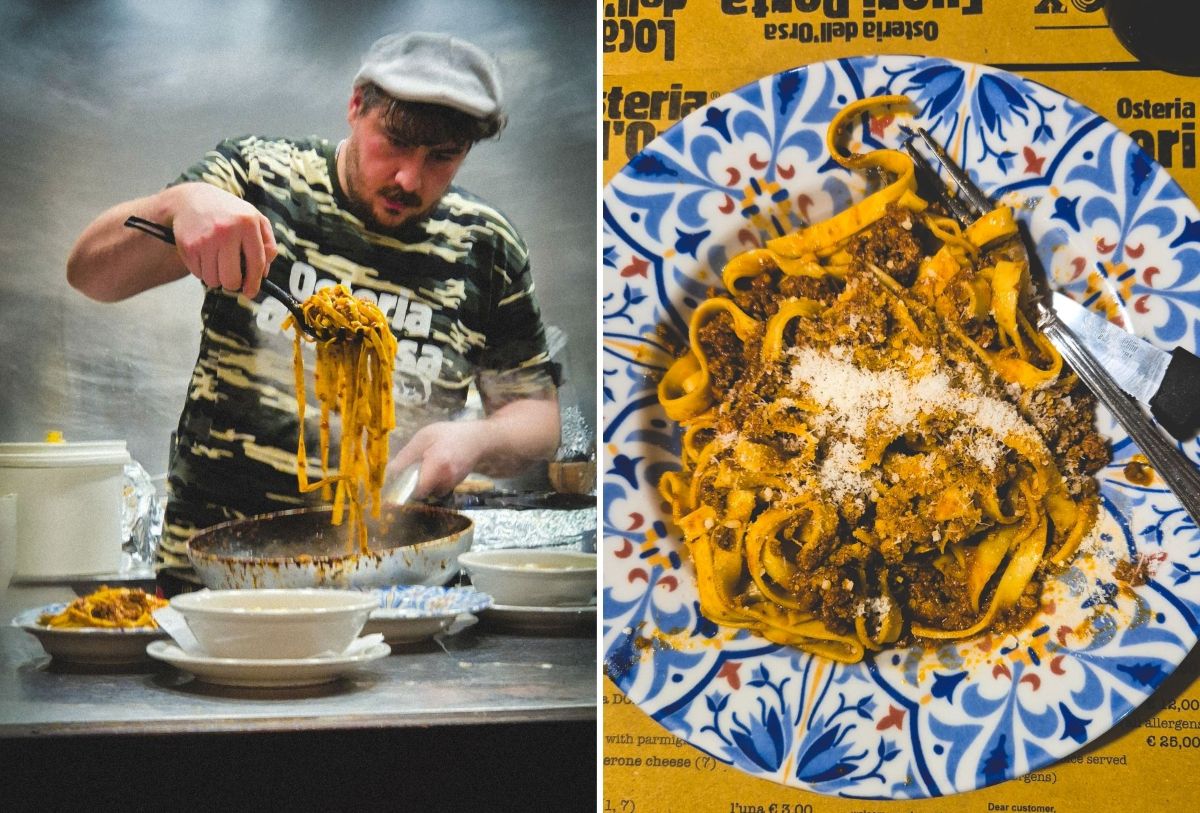
Italy's culinary reputation can make it difficult to know where to begin when trying to choose between Bologna and Bari or pizza and pasta.
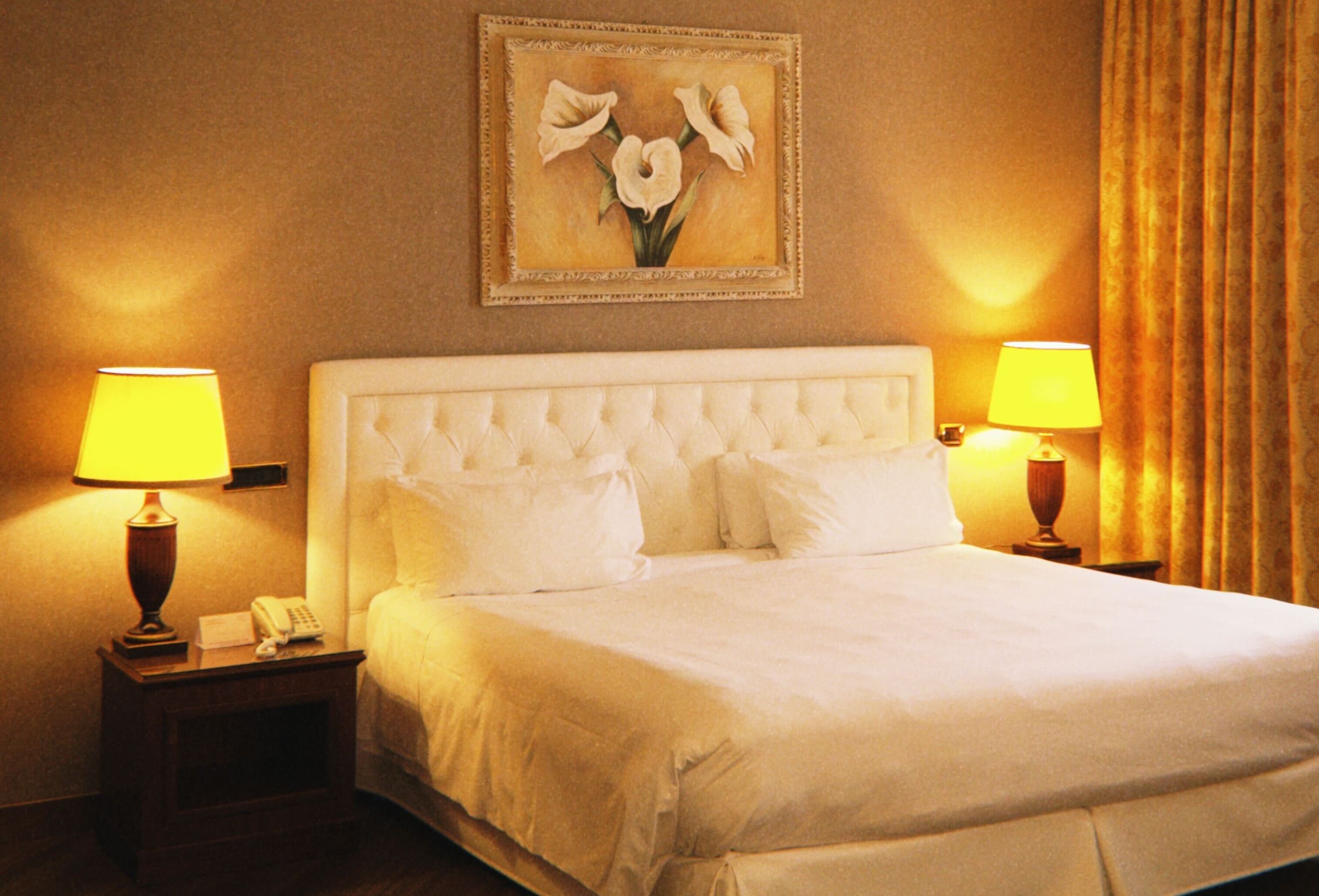
Bologna has cemented its spot among Italy's top destinations and it is well served when it comes to accommodation.